Be Your Evolution AI News Daily
Five fresh signals. Five durable tools. No hype tax.
Top 5: New and Worth Your Attention
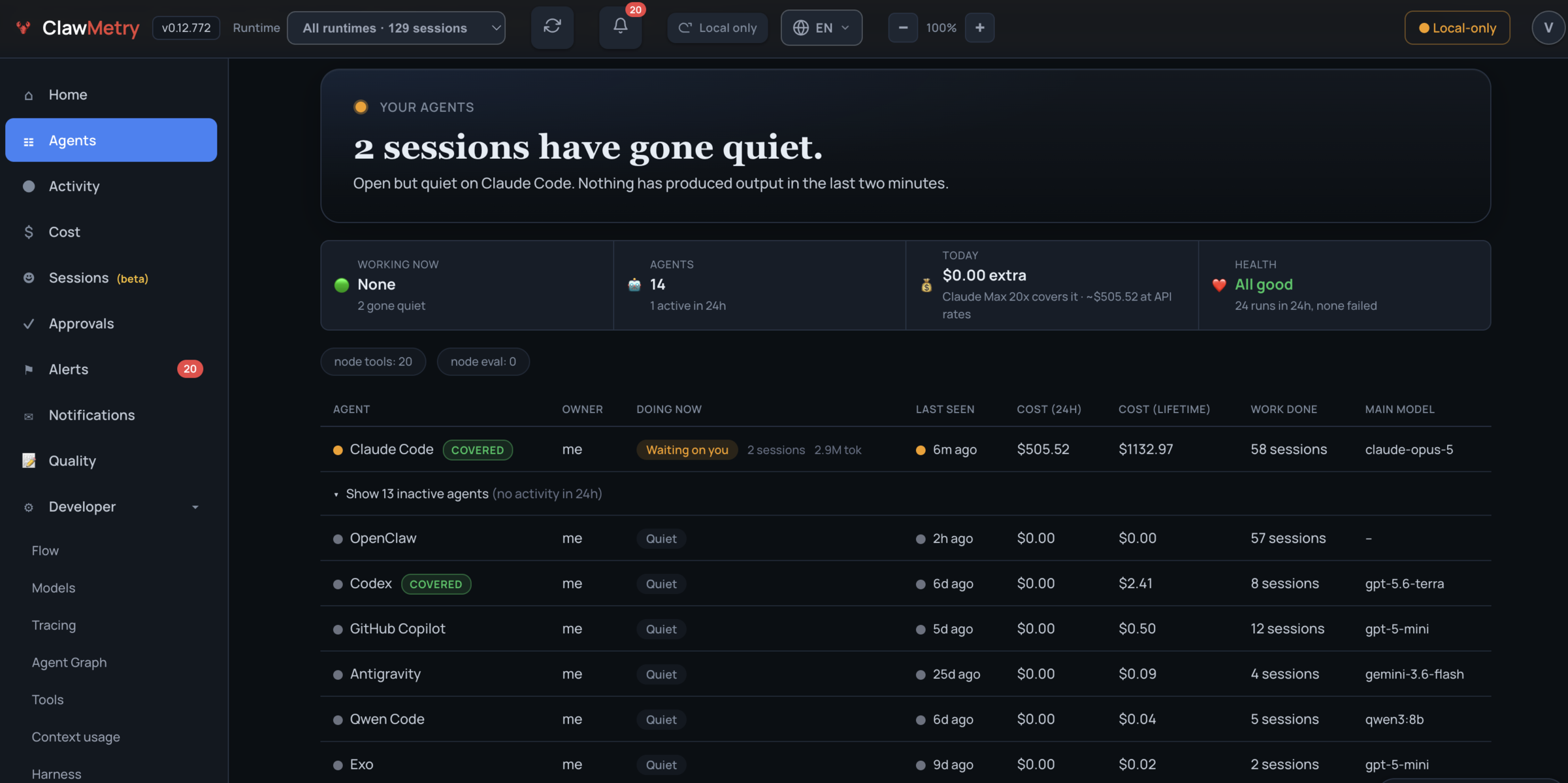
1. ClawMetry v0.12.800
ClawMetry turns local coding-agent histories into one live dashboard for sessions, tool calls, token use, schedules, and estimated costs. The immediate value is operational visibility: Jason can see which agent consumed time, which run stalled, and what changed without reopening every transcript. The open app supports three runtimes free, while many familiar coding assistants sit behind a paid plan, so the best first test is with a supported free runtime before judging broader fleet value.
OPERATIONAL VALUE
A read-only local overview for comparing agent activity, spend, failures, and scheduled work across projects.
QUICK VIDEO
Launch the dashboard, run two agent tasks, then compare their session timelines and cost estimates side by side.
Reality: Python installation is simple, but Claude Code, Codex, Cursor, and many other integrations require the paid plan. Cost figures depend on parsed local history and pricing assumptions. MIT repository code; subscriptions and agent providers remain separate.
OPEN PRIMARY SOURCE →
2. HOL Guard 3.0.44
HOL Guard adds a local security checkpoint between supported agents and risky actions. It can inspect tools, skills, MCP servers, package installs, commands, secret access, and prompt-injection signals, then allow, block, or pause for approval while keeping an audit receipt. That is practical insurance for increasingly autonomous workflows. Jason’s useful experiment is a disposable project with one safe tool call and one intentionally suspicious instruction, checking whether the explanation is clear enough to guide a real decision.
OPERATIONAL VALUE
A policy and evidence layer for reducing accidental secret exposure or unsafe agent actions before execution.
QUICK VIDEO
Show one harmless command passing, one suspicious action pausing, and the resulting security receipt.
Reality: The README says normal installers select stable 2.x; 3.x alphas are opt-in, and 3.0.44 must be pinned deliberately. Test compatibility before relying on it. Apache-2.0 local code; optional Guard Cloud has separate service terms.
OPEN PRIMARY SOURCE →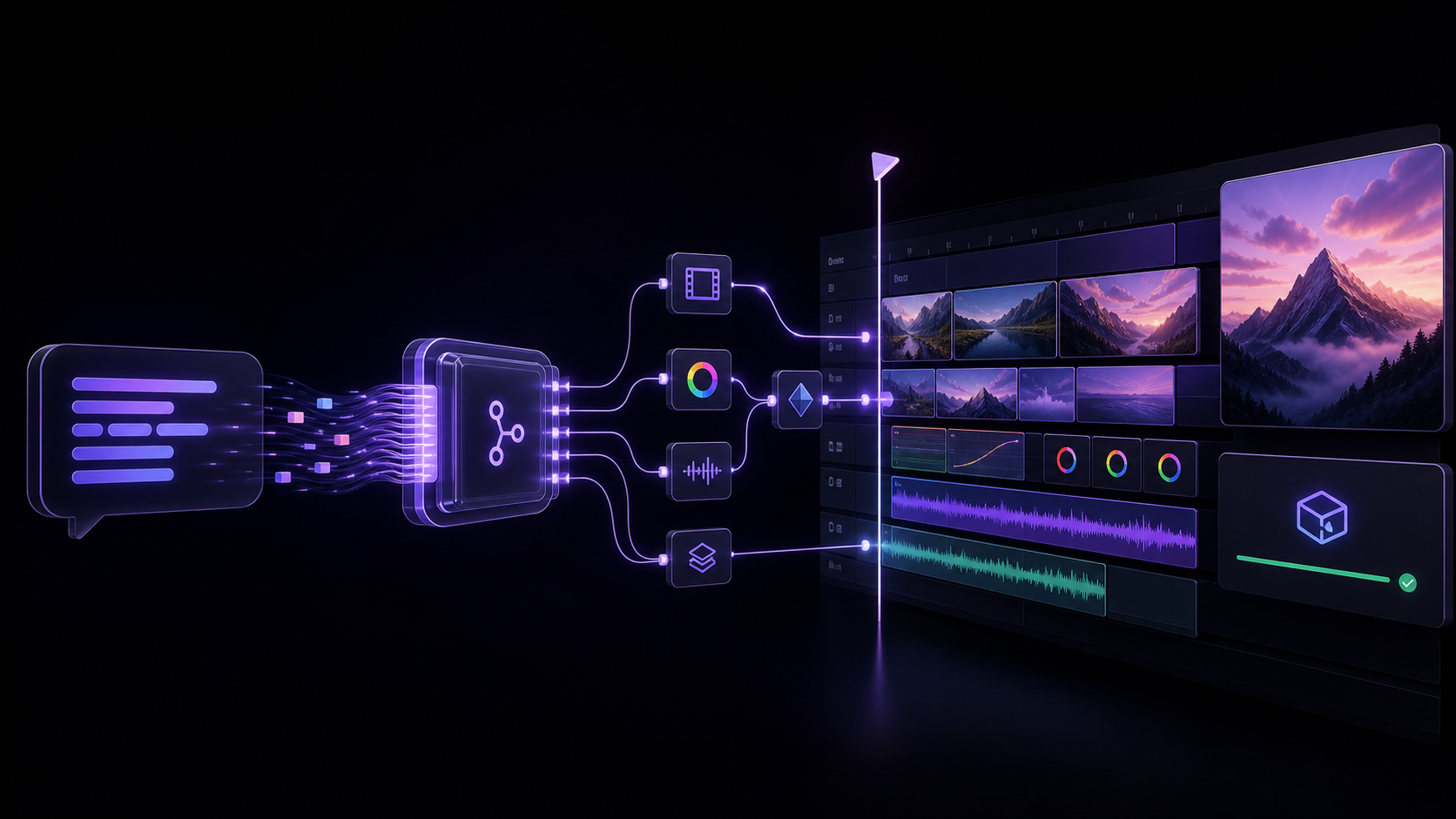
3. Premiere Pro MCP v1.14.6
Premiere Pro MCP exposes structured editing operations to compatible AI assistants: importing media, arranging timelines, adding transitions, inspecting captions, planning silence cuts, and preparing exports. Release 1.14.6 adds guarded sequence and marker operations plus review-oriented checks that fail closed when capabilities are unsupported. For Jason, the strongest trial is not a fully autonomous edit; it is a repeatable assembly task—organize B-roll, add markers, and build a rough stringout—while verifying every committed timeline change inside Premiere.
OPERATIONAL VALUE
Automates repetitive edit preparation while leaving the creative cut and final verification in the licensed host.
QUICK VIDEO
Ask an agent to build a marked B-roll stringout, then reveal the resulting Premiere timeline and review each edit.
Reality: Requires Node.js, an MCP client, a compatible bridge or panel, and licensed Adobe Premiere Pro. The project explicitly says automated validation does not replace host evidence. MIT server code; Adobe and model-provider terms remain separate.
OPEN PRIMARY SOURCE →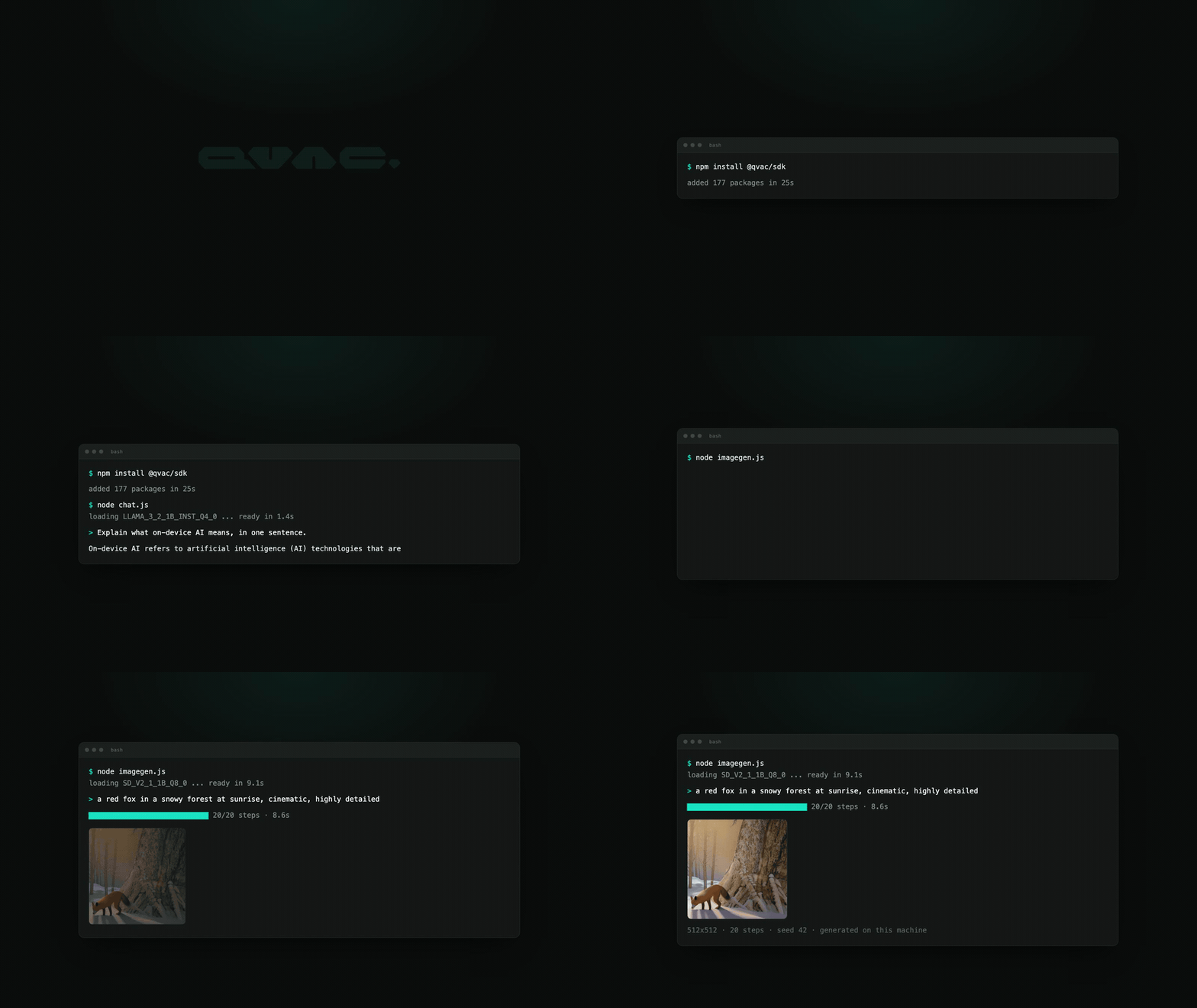
4. QVAC
QVAC is an ambitious local-AI SDK and model provider spanning language, speech, vision, image, music, video, retrieval, and peer-to-peer model delivery. Its OpenAI-compatible server could let existing tools share one on-device backend across desktop and mobile targets. The breadth is appealing, but it also makes careful validation essential. Jason should begin with one small GGUF chat model, record memory use and response quality, then decide whether QVAC offers enough advantage over a narrower local stack.
OPERATIONAL VALUE
A possible common local inference layer for prototypes that need several AI modalities without a cloud API.
QUICK VIDEO
Run a tiny local model through the OpenAI-compatible endpoint, disconnect the network, and repeat the prompt.
Reality: Hardware, platform, and model support vary; broad repository claims need workload-specific testing. Downloaded models are open weight only when their own licenses say so. Apache-2.0 SDK code; model weights and datasets remain separately licensed.
OPEN PRIMARY SOURCE →5. SkillCorpus v0.1.0
SkillCorpus tackles the messy part of agent skills: collecting scattered SKILL.md files, filtering and deduplicating them, checking safety and license metadata, retrieving only task-relevant procedures, and evaluating the result. Version 0.1.0 packages the open corpus, retrieval, evaluation, export, and plugin layer behind EverMind’s hosted SkillHub. Jason could point it at a small trusted registry, ask several distinct tasks, and inspect whether its zero-to-two skill selection improves context without flooding the agent with irrelevant instructions.
OPERATIONAL VALUE
A self-hostable retrieval layer for routing vetted procedural knowledge into agents only when the task needs it.
QUICK VIDEO
Run three prompts, show the selected skills for each, and compare context size with a load-everything approach.
Reality: This is a young 0.1.0 release. Core code is Apache-2.0, while match/evaluate components are MIT; every collected skill retains its upstream license. Hosted SkillHub, embeddings, and any connected model provider have separate terms.
OPEN PRIMARY SOURCE →5 Proven Classics
A straightforward local model runner with a familiar API and broad tool support. MIT application code does not change the licenses, hardware requirements, or usage limits of downloaded model weights.
Source →The dependable low-level engine for running quantized language models across CPUs and GPUs remains foundational. MIT code is open source; each GGUF model still carries its own weight license.
Source →Its node graph remains one of the clearest ways to inspect and reuse image or video pipelines. GPL-3.0 code is open source; custom nodes and model weights vary.
Source →A mature terminal pair programmer with strong Git integration and broad model support. Apache-2.0 code is open source, while model access, context limits, and usage charges remain external.
Source →A durable Python toolbox for reproducible image, video, and audio diffusion pipelines. Apache-2.0 library code is open source; checkpoints, datasets, safety constraints, and generated-media rights differ.
Source →Reality Check
Open-source repository code does not automatically make hosted features, model weights, datasets, Adobe software, or generated-media rights open. ClawMetry’s broadest runtime coverage is paid. HOL Guard 3.x is explicitly alpha. Premiere Pro MCP requires verification inside a licensed host. QVAC’s breadth needs workload-specific hardware testing. SkillCorpus can surface third-party skills, and each one retains its upstream license and risk profile.
Bottom Line
Start with HOL Guard on a disposable agent workflow because safer autonomy compounds across every future tool. If video production is the priority, test Premiere Pro MCP second on a reversible B-roll assembly task. Keep QVAC on the watchlist until one concrete local workload proves its value.
Primary-source research completed September 2, 2026. Private Be Your Evolution field guide.