|
B.Y.E. / DAILY AI TRY / 10.13.26
Be Your Evolution AI News DailyOctober 13, 2026 · Five newer tools explored, five proven classics worth keeping Top 5: New and Worth Your Attention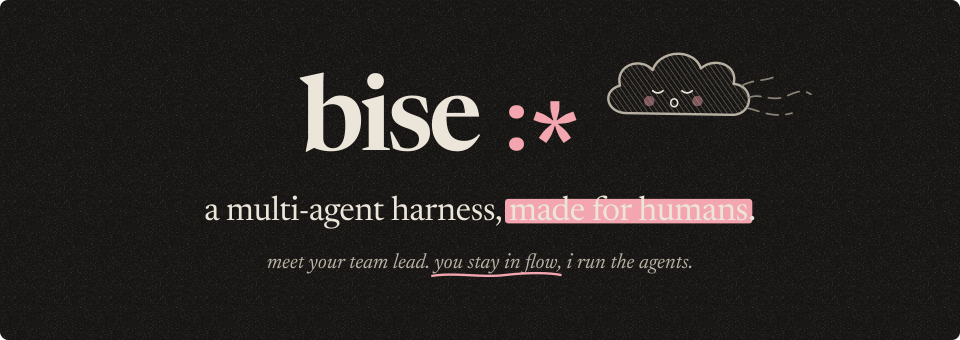 WORTH A LOOK 1. BiseBise puts one persistent lead agent in front of background coding agents, so you describe work in one repository thread instead of juggling sessions. The lead breaks requests into jobs, follows up when work stalls, and surfaces only decisions that need you. For Jason, the interesting test is whether its inbox and built-in coordination can keep several repository tasks moving without losing human approval or creating overlapping edits. OPERATIONAL VALUE QUICK VIDEO Reality: Bise is Apache-2.0 open source and explicitly pre-release. Its current documented platforms are macOS and Linux, including WSL2; some desktop, voice, and computer-use features are macOS-only. Setup requires a supported model key, gateway, or eligible subscription, and those providers retain separate terms and charges. The convenience installer is a remote shell script, so inspect it first, begin in a disposable repository, review imported skills and MCP settings, and keep secrets out of agent output. OPEN PRIMARY SOURCE →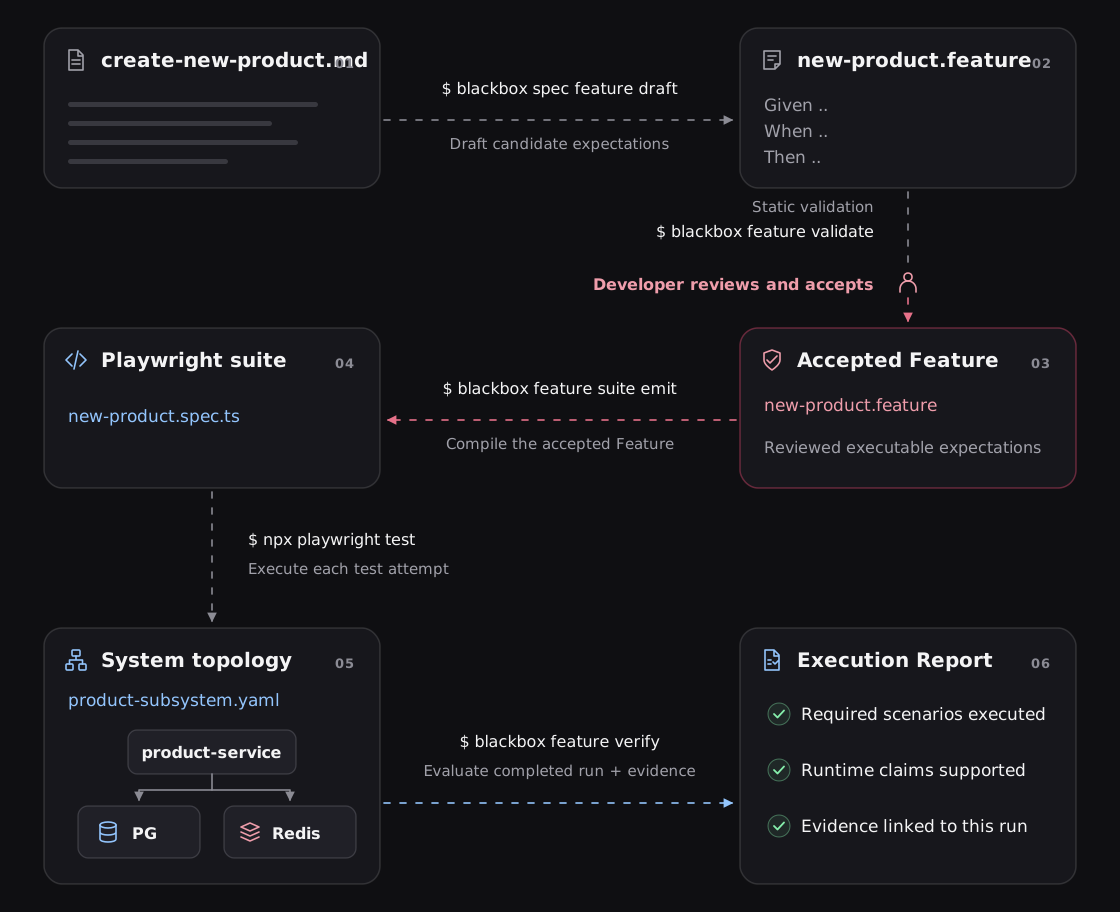 WATCHLIST 2. Suites BlackboxSuites Blackbox turns accepted behavior into repeatable system checks against real applications. A developer or coding agent can translate requirements into Playwright tests or optional feature files, run each attempt in an isolated sandbox, inspect runtime evidence, repair failures, and rerun the same expectations. The appeal is accountability: Jason could give agents a stable definition of done that survives implementation changes instead of accepting a confident summary as proof. OPERATIONAL VALUE QUICK VIDEO Reality: Blackbox is Apache-2.0 open source, but the repository is on a 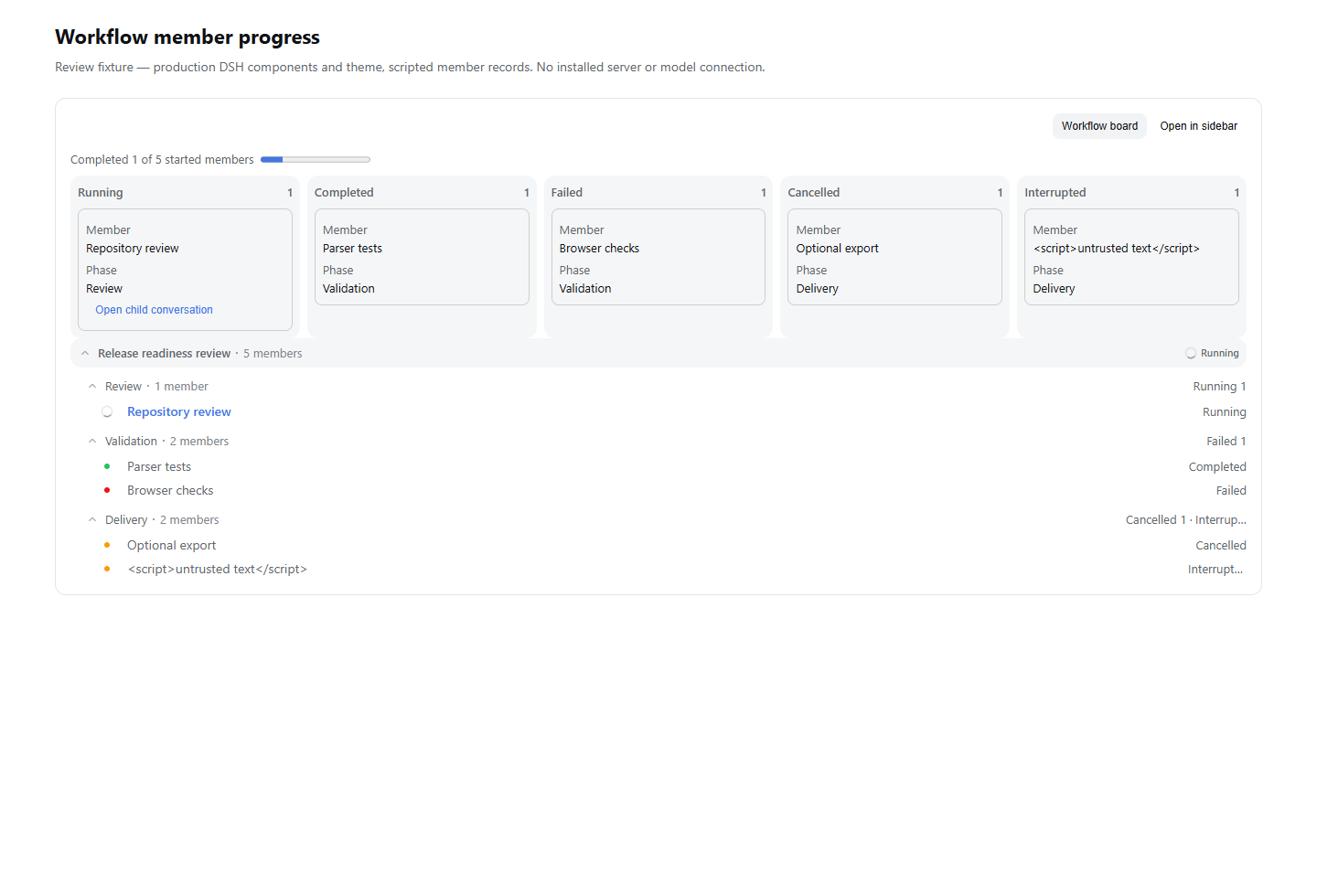 TRY NOW 3. rdshrdsh is a Rust launcher around DeepSeek Harness that keeps normal conversation and model work upstream while handling common utilities natively. It adds fast token estimates, code search, session listing, health checks, credential import controls, tool isolation, and a workflow board without changing existing dsh commands. For Jason, the practical experiment is whether the safer diagnostics and lightweight local tools make an agent harness easier to inspect and recover when a session or integration misbehaves. OPERATIONAL VALUE QUICK VIDEO Reality: rdsh is MIT open source and an independent community project, not an official DeepSeek or DeepSeek Harness release. Version 0.3.3 shipped today, but it still depends on upstream dsh for conversation and model execution. Prebuilt installers support Linux, macOS, WSL, and Windows PowerShell; inspect downloaded scripts and verify release artifacts. Performance figures are project-reported rather than independently reproduced. Imported provider credentials, models, upstream behavior, and remote services remain separately governed. OPEN PRIMARY SOURCE →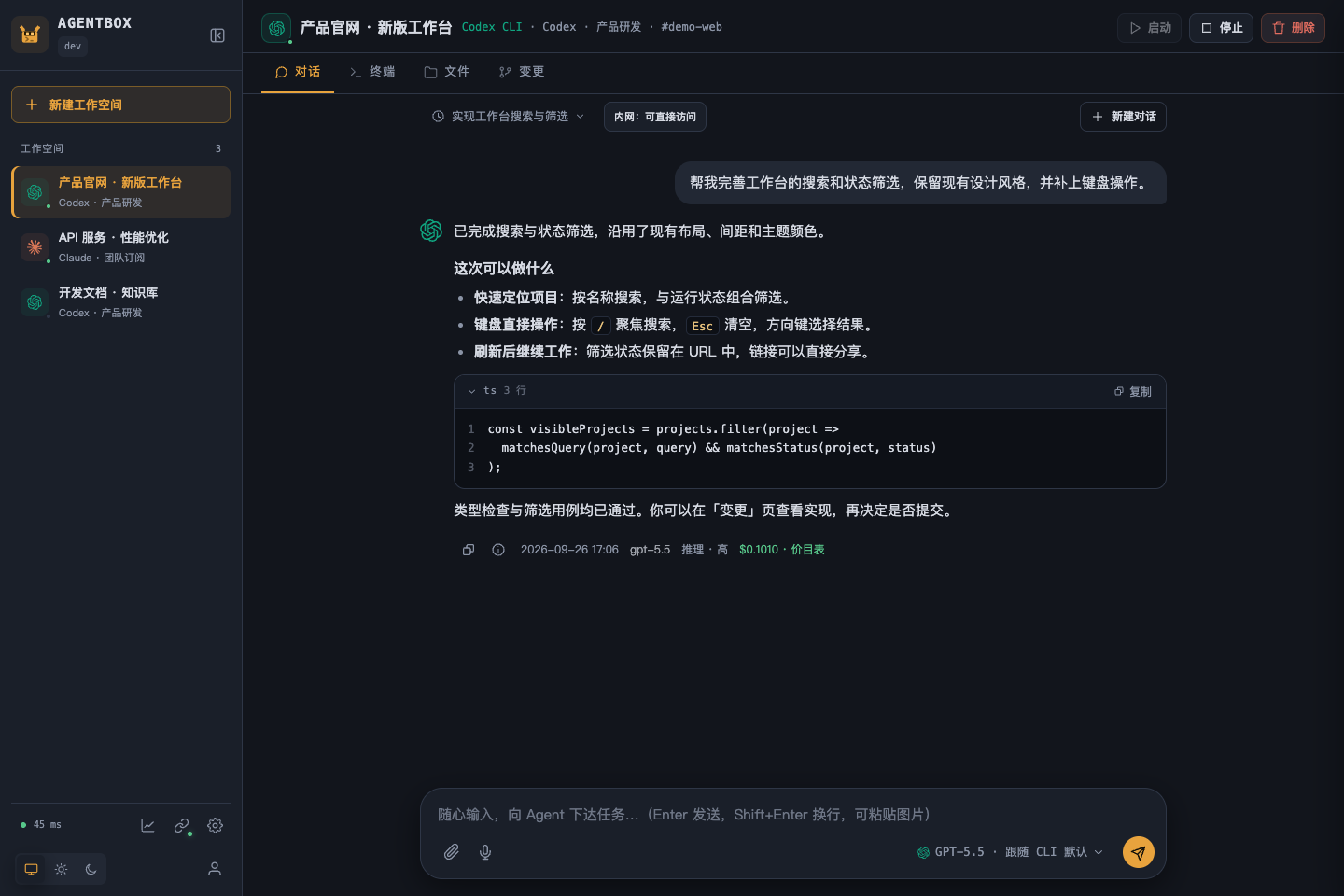 WORTH A LOOK 4. AgentboxAgentbox is a self-hosted browser workspace for Claude Code and Codex CLI. A Linux server runs isolated Docker workspaces while the browser combines chat, terminal, files, Git diffs, previews, persistent history, usage records, and optional worker delegation. Jason could use it to resume coding work from another device without carrying the development machine. The bigger value is visibility: agent conversation, tool output, file changes, and cost tracking sit in one reviewable place. OPERATIONAL VALUE QUICK VIDEO Reality: Agentbox is Apache-2.0 open source and version 0.1.13 shipped today. It needs a Linux server, Docker, storage, networking, and your own Claude, Codex, API, or relay credentials. Optional tunnels and team account pools materially expand the security surface. Keep the service private, use TLS and strong authentication, scope accounts per user, restrict outbound and private-network access, back up persistent volumes, and treat development-preview delegation as untrusted until workers and the lead have been tested on disposable repositories. OPEN PRIMARY SOURCE →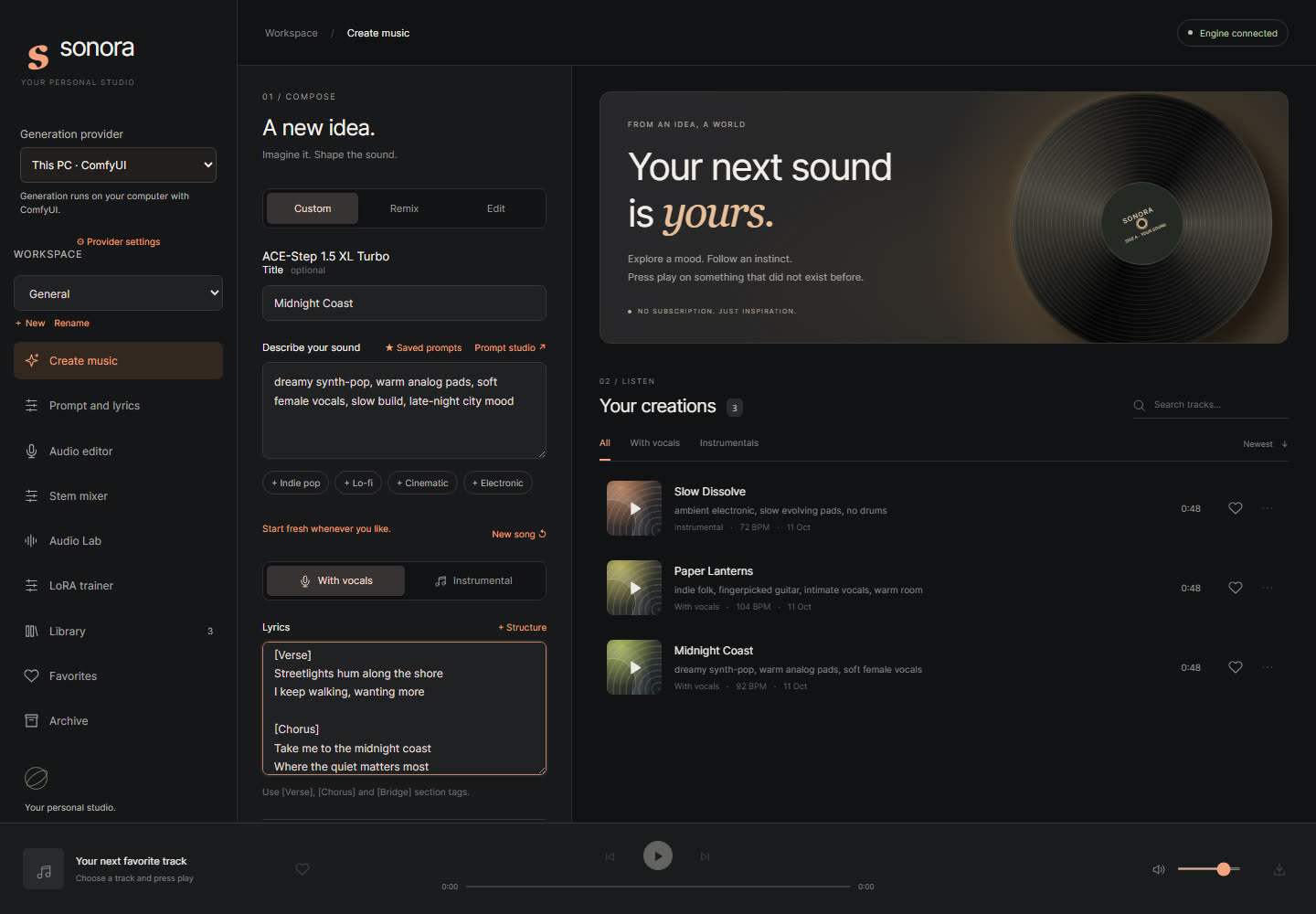 TRY NOW 5. Sonora StudioSonora Studio wraps ACE-Step 1.5 and ComfyUI in a friendlier local music workspace with prompt and lyric composition, a song library, remixing, editing, stems, analysis, mastering, and optional rented-GPU paths. It is especially relevant to Jason’s music catalog because it connects generation with the less glamorous work of organizing and refining takes. The best test is whether one rough concept can move from structured prompt to stems and a clean export without tool hopping. OPERATIONAL VALUE QUICK VIDEO Reality: Sonora Studio is MIT open source, but ACE-Step model weights and generated-output rights are separate. Local use needs Windows or Linux, Node.js 22+, ComfyUI, FFmpeg, about 22 GB of free disk, and the project cites 12 GB NVIDIA VRAM as a slow minimum with offloading; 16 GB or more is preferable. RunPod and Vast.ai add accounts, uploads, and charges. Keep original recordings backed up, verify music rights, and test exports before touching catalog masters. OPEN PRIMARY SOURCE →5 Proven ClassicsJUPYTERLAB · TRY NOW
JupyterLab remains a flexible BSD-3-Clause workspace for notebooks, terminals, editors, files, and rich outputs. It is ideal for inspectable experiments; extensions and live kernels still require careful trust decisions. Source →RAY · WORTH A LOOK
Ray remains an Apache-2.0 engine for scaling Python and AI workloads from one machine to clusters, including training, tuning, serving, and reinforcement learning. Its operational complexity deserves real observability. Source →OPENAI AGENTS SDK · TRY NOW
OpenAI’s MIT-licensed Python SDK still offers a compact route to agents, tools, handoffs, guardrails, sessions, tracing, and human approval. Provider calls, hosted tools, and model usage remain separately billed. Source →HUGGING FACE PEFT · WORTH A LOOK
PEFT remains an Apache-2.0 toolkit for adapting large models by training relatively few parameters. LoRA-style workflows reduce compute and storage, but base-model licenses, datasets, and evaluation still govern deployment. Source →MEM0 · WORTH A LOOK
Mem0 remains an Apache-2.0 memory layer for agents and applications, with open-source SDKs and managed options. Its own documentation distinguishes proprietary platform optimizations, so benchmark the exact deployment you choose. Source →Reality CheckBise, Suites Blackbox, and Agentbox are Apache-2.0 open source; rdsh and Sonora Studio are MIT. JupyterLab is BSD-3-Clause, Ray and PEFT are Apache-2.0, and the OpenAI Agents SDK is MIT. Mem0’s repository is Apache-2.0, while its documentation says some managed-platform optimizations are proprietary. Those code licenses do not automatically cover model weights, provider subscriptions, hosted tools, datasets, user recordings, generated music, extensions, remote installers, or cloud infrastructure. The newest picks are pre-release or early-stage: use disposable repositories and media, pin versions, isolate credentials and networks, keep backups, inspect generated tests and diffs, and require human approval before external or destructive actions. Bottom LineTry Sonora Studio first if today’s goal is creative output: it maps directly to Jason’s music workflow and makes a strong before-and-after demo. For engineering, test Bise on three low-risk tasks and judge whether its lead-agent inbox genuinely reduces supervision. Agentbox is the most operationally ambitious option, but only after private-server hardening. rdsh is useful for existing DeepSeek Harness users. Keep Suites Blackbox on the watchlist until its alpha workflow and sandbox assumptions have been proven against a real application. Curated from official project repositories and documentation. Verify current terms before production use; software, services, models, and content may carry different licenses. |