|
B.Y.E. / DAILY AI TRY / 10.24.26
Be Your Evolution AI News DailyOctober 24, 2026 · Five newer tools explored, five proven classics worth keeping Top 5: New and Worth Your AttentionTRY NOW 1. Google Skill ReachSkill Reach tests whether an agent discovers the right skill, avoids confusing rivals, and completes required handoffs before anyone grades the final answer. Its offline lint, vocabulary-overlap, and keyword-driver modes can catch weak descriptions without model calls; live probes add model-based routing evidence and multi-step trajectory checks. For Jason, the best first use is auditing a portable skill library for collisions, vague triggers, and needless context before those problems reach production agents. OPERATIONAL VALUE QUICK VIDEO Reality: Skill Reach is Apache-2.0 open source and requires Python 3.12+ plus uv. Offline lint and keyword evaluation avoid provider calls; live Gemini, Claude Code, or other runtime probes need their own credentials, accounts, quotas, and service terms. Live evaluation can launch real agent processes with filesystem and command access, so untrusted skills belong in an isolated sandbox. Passing a routing test does not prove a skill’s instructions, tools, side effects, or final outputs are safe or correct. OPEN PRIMARY SOURCE →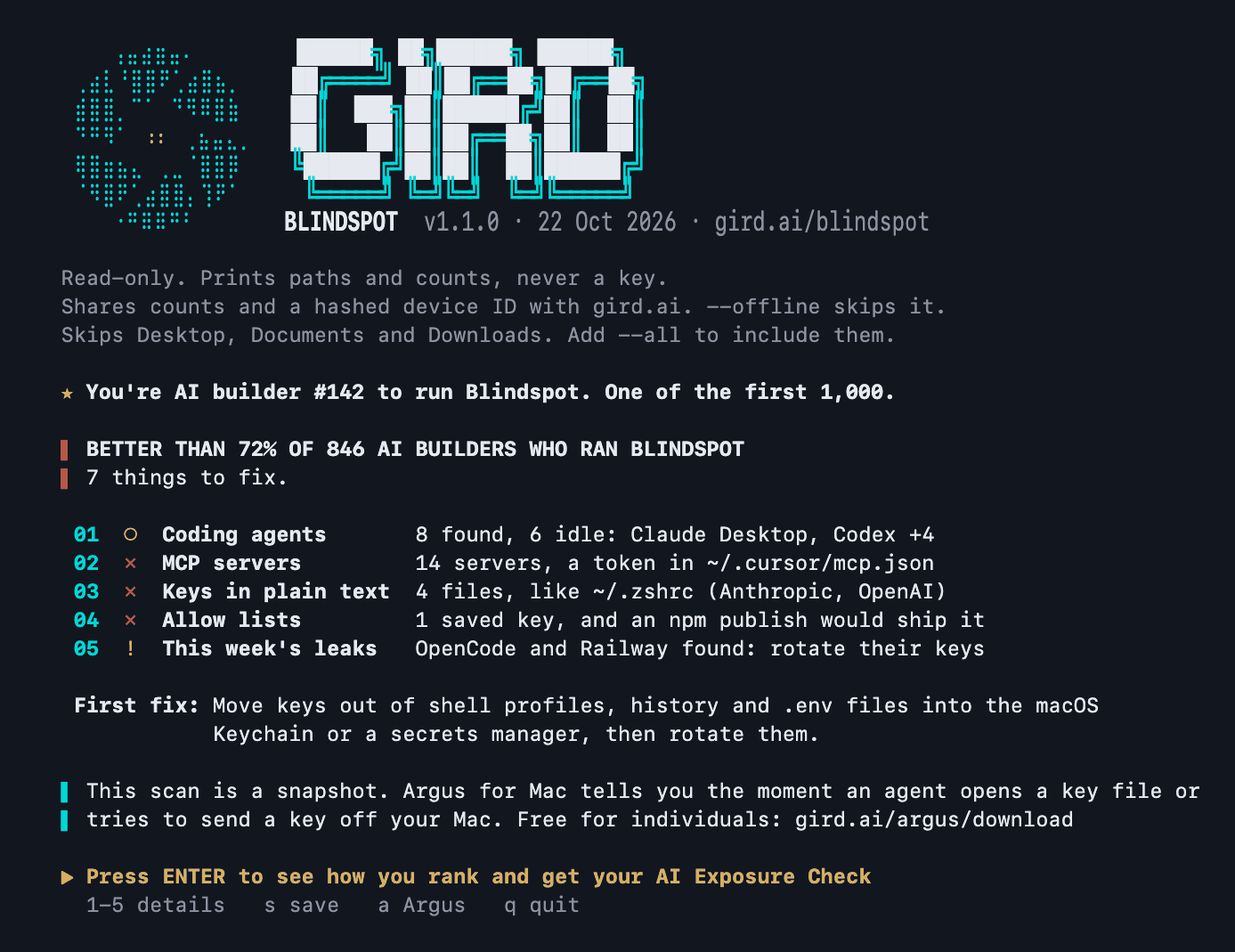 WORTH A LOOK 2. Blindspot 1.1.0Blindspot is a read-only exposure check for the credentials and agent configurations already sitting on a Mac, Linux, or Windows computer. It inventories coding agents, MCP servers, plaintext keys, risky allow-list entries, and selected incident markers without printing secret values. Jason could use its offline mode as a quick map of where agents may reach sensitive material, then independently verify each finding before rotating keys or changing configuration. OPERATIONAL VALUE QUICK VIDEO Reality: Blindspot is Apache-2.0 open source and supports an offline switch that sends no telemetry. Its default mode retrieves public totals and shares documented counts and environment facts with gird.ai, so read TELEMETRY.md before using it. Windows PowerShell 5.1 and 7 are supported; Git Bash has fuller parity when jq is available. The scanner can miss containers, servers, CI, unknown formats, or prior exfiltration. A clean report is not proof that nothing leaked, and remediation should never expose actual keys in screenshots or logs. OPEN PRIMARY SOURCE →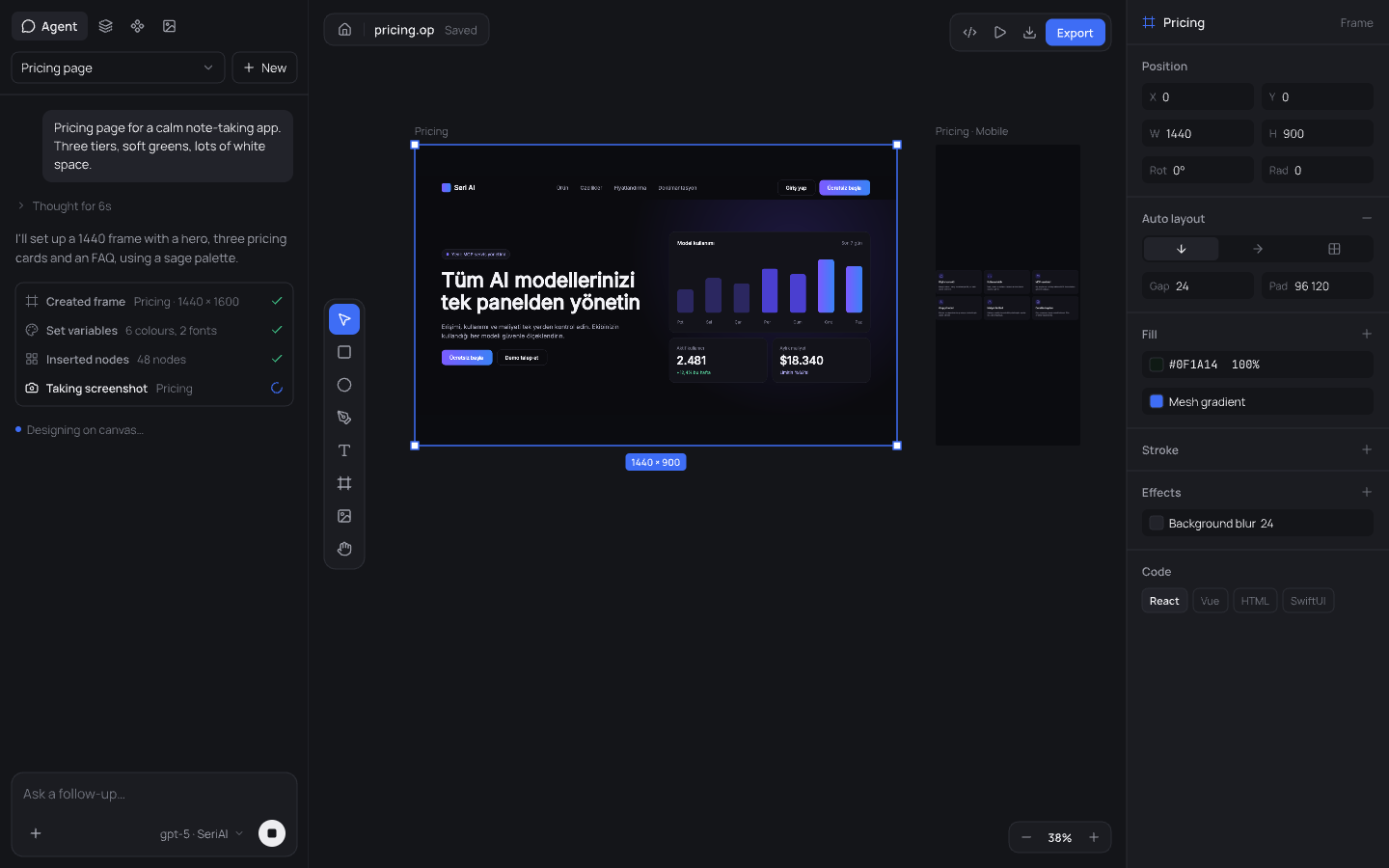 WORTH A LOOK 3. Design Editor 0.3.1Design Editor is a local-first vector workspace where people and agents edit the same live canvas. A built-in MCP server connects coding agents, while in-app chat can use a chosen provider, an OpenAI-compatible endpoint, or installed local agents. Documents stay in an editable .de format and can import Figma, SVG, or web material before exporting images, decks, React, SwiftUI, and Flutter. The useful experiment is reviewing an agent’s visual changes as they happen. OPERATIONAL VALUE QUICK VIDEO Reality: The MIT-licensed project is a young fork of MIT-licensed OpenPencil and currently targets macOS and Windows. Local-first means the editor itself needs no account or telemetry, not that every connected model stays local; provider prompts, images, costs, and terms depend on the configured endpoint. Imported Figma, fonts, icons, and web assets retain their own rights. Treat generated React, SwiftUI, or Flutter as a starting point, check accessibility and responsive behavior, and preserve the editable .de source for human review. OPEN PRIMARY SOURCE →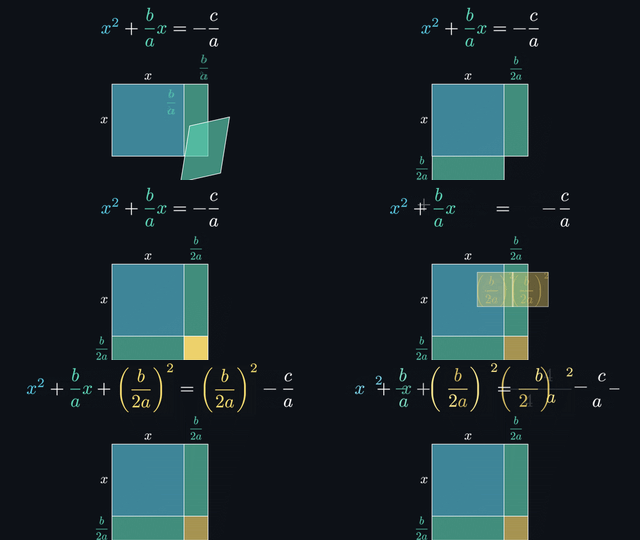 TRY NOW 4. ManimGX 0.1.1ManimGX pairs a Rust and wgpu renderer with a typed Python API modeled on Manim Community Edition for 2D and 3D explanatory animation. It can render native MP4 files, run Python scenes in a browser through Pyodide and WebGPU, inspect storyboards and layouts for agent feedback, and align motion with spoken words. Jason’s practical test is turning one verified technical concept into a short, editable diagram sequence whose code and encoded output can both be checked. OPERATIONAL VALUE QUICK VIDEO Reality: ManimGX’s own code is MIT, but native wheels bundle x264 and are GPL-3.0-or-later as a whole; FFmpeg, fonts, browser components, and other bundled dependencies keep separate notices. Installation requires Python 3.13+, while browser use adds npm and WebGPU compatibility. Published speed figures come from the project’s own benchmark on specified hardware and scenes, so reproduce them before making capacity claims. API compatibility with Manim CE is a target, not a guarantee, and exported media still needs factual, accessibility, music, font, and rights review. OPEN PRIMARY SOURCE →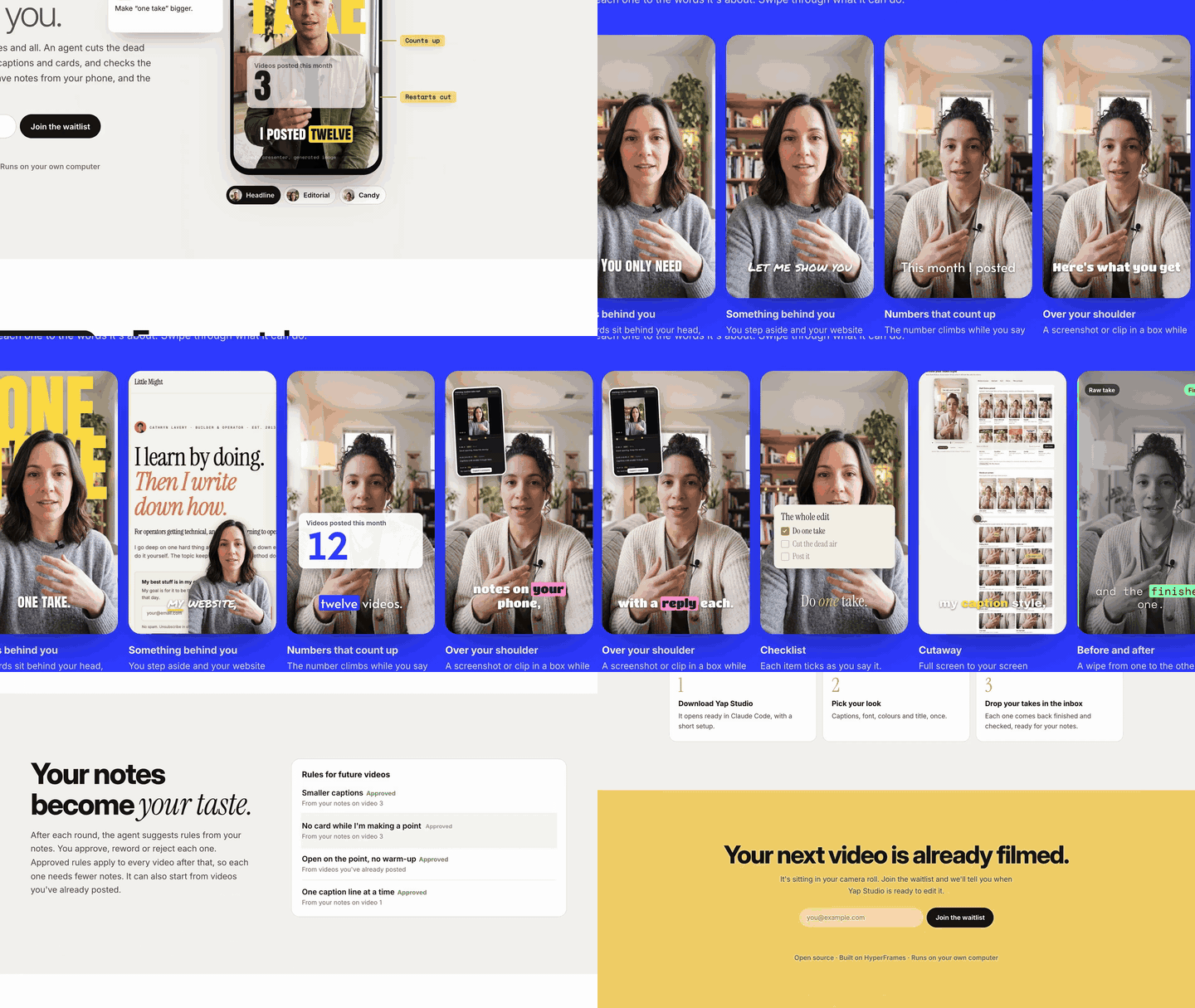 WATCHLIST 5. Yap Studio 1.0.0Yap Studio is a local vertical-video workspace that asks a Claude Code agent to remove dead air and restarts, add captions, cards, B-roll, and music, and run checks before review. A browser interface accepts footage and time-ranged notes, while approved feedback becomes reusable taste rules. The concept fits Jason’s preference for editable handoffs: original clips stay unchanged, project files remain inspectable, and each revision can be reviewed before a final render. OPERATIONAL VALUE QUICK VIDEO Reality: Yap Studio is Apache-2.0 open source but currently requires macOS 14+, Claude Code, Python 3.11+, about 10 GB, and its HyperFrames-based renderer. Video files remain local, yet transcripts, project context, pinned stills, and contact sheets go to Anthropic during the Claude session; optional ElevenLabs, WaveSpeed, and Pexels features add separate data flows, costs, and terms. Version 1.0.0 is new. Test only with cleared footage, inspect every cut and caption, and confirm music, B-roll, likeness, privacy, and distribution rights before publishing. OPEN PRIMARY SOURCE →5 Proven ClassicsSGLANG · WORTH A LOOK
SGLang remains an Apache-2.0 serving framework for language and multimodal models. It rewards serious throughput work, while model weights, accelerator support, kernels, deployment security, and infrastructure costs require separate validation. Source →SEMANTIC KERNEL · WORTH A LOOK
Semantic Kernel remains an MIT, model-agnostic SDK across Python, .NET, and Java, but Microsoft now directs new production agent work toward Agent Framework; migration and provider costs deserve planning. Source →VLLM · WORTH A LOOK
vLLM remains an Apache-2.0 engine for high-throughput model serving with broad hardware, quantization, and API support. Production value depends on compatible weights, measured workloads, capacity planning, isolation, and monitoring. Source →HAYSTACK · TRY NOW
Haystack remains an Apache-2.0 Python framework for explicit RAG, retrieval, routing, and agent pipelines. Its modular graph is useful for inspectable experiments; integrations, telemetry, models, and hosted services stay separate. Source →LOCALAI · TRY NOW
LocalAI remains an MIT engine for serving text, vision, voice, image, and video through familiar APIs. Backends, downloaded model weights, hardware performance, network exposure, and output rights still vary. Source →Reality CheckOpen-source code does not automatically make a workflow local, private, safe, inexpensive, or unrestricted. Skill Reach can launch powerful runtimes; Blindspot’s default mode shares documented counts unless offline mode is used; Design Editor can route prompts to configured providers; ManimGX native wheels carry GPL obligations beyond the MIT core; and Yap Studio sends defined project context to Claude while optional services add more data paths. Preserve sources, isolate untrusted skills, minimize credentials, verify model and dependency licenses, measure on your own hardware, inspect every generated artifact, and require human acceptance before deployment or publication. Bottom LineTry Google Skill Reach first against a small, copied skill folder: its offline collision checks directly improve the reliability of Jason’s reusable agent library without provider spend. If the creative priority wins today, test ManimGX on one ten-second verified explainer and preserve both Python source and encoded output. Blindspot deserves an offline, privacy-reviewed audit; keep Design Editor and Yap Studio in bounded trials until their young workflows, provider data paths, platform limits, and export quality match a real project. Curated from official project repositories and documentation. Verify current terms before production use; software, services, models, data, and content may carry different licenses. |